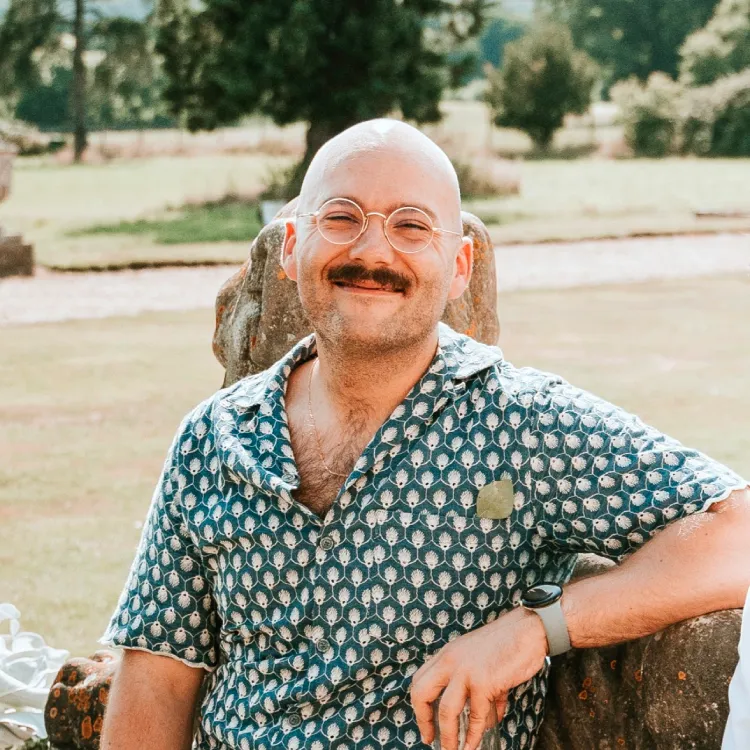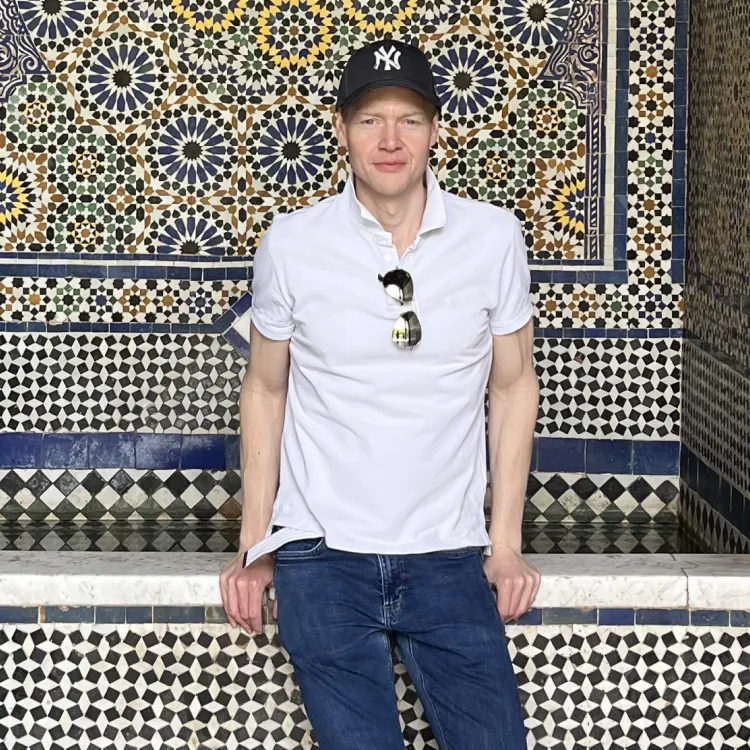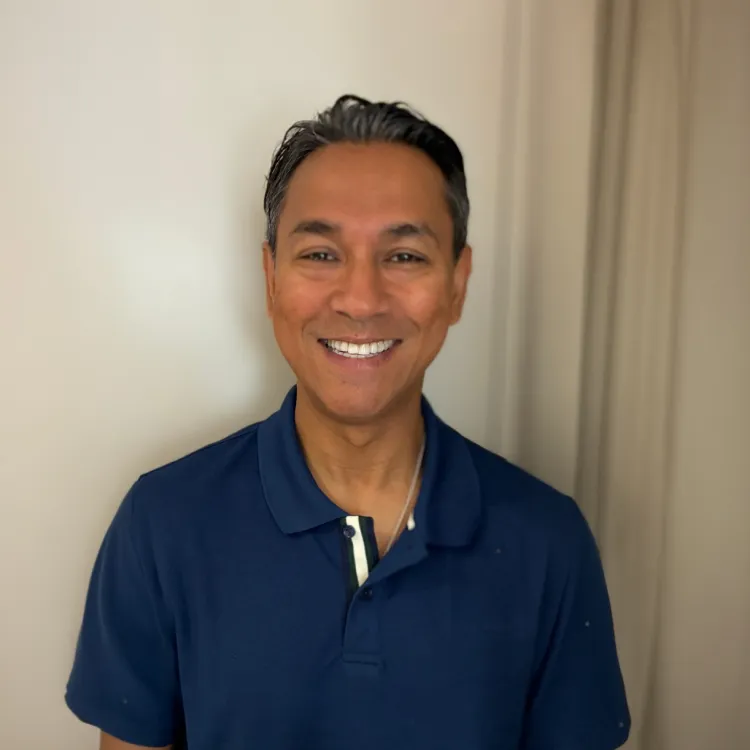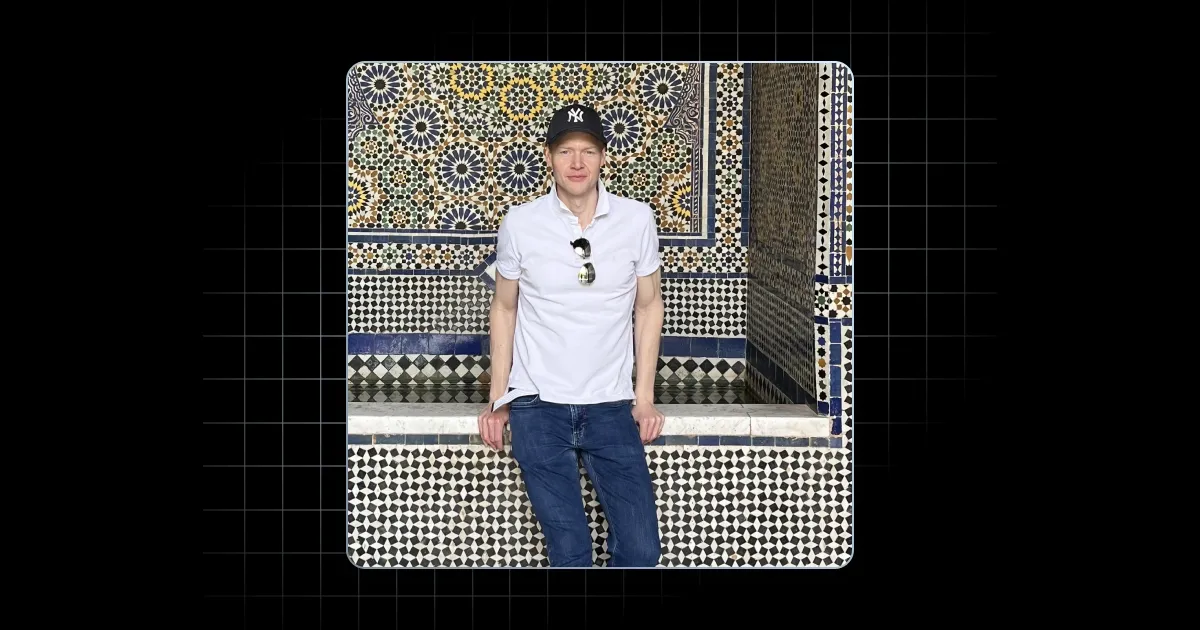
Christian is a former investment banker who now runs his own business. Actually, two businesses. His main venture is an export business working with an Egyptian rock-salt producer, supplying de-icing salt to cold-weather markets like the Nordics and North America. Alongside that, he also does advisory work, helping a company raise capital for trade finance.
Have you always been an investor, or did that come later?
I started young. When I was a teenager and had a bit of money, I bought China mutual funds and it went really well. Then in business school I opened my own trading account and did some longer-term trades. Finance has always interested me. It’s part of why I went to business school and then into financial services.
What changed when you moved into investment banking?
I became very restricted once I was on the institutional side. There are rules around what you can hold, to avoid conflicts of interest. And honestly, I didn’t have the time to be an active personal investor anyway. So I kept things simple: my pension money was in various funds with different geographic mixes.
So what made you start investing more actively again, and why at that point?
It was really when I left in 2022. Investing was always on my to-do list, something I wanted to do more actively, and when I had the time again, I started reading, researching, and benchmarking different platforms. I also had pensions from two previous UK employers that I wanted to consolidate, and I wanted more freedom over where and how I invest.
Why did you choose Freetrade over the other platforms you benchmarked?
The fee structure was a big part of it. With a percentage-fee platform, the costs scale up with your portfolio. A flat fee made more sense for me. And commissions matter too: if you’re paying £10 a trade, it becomes uneconomical to make smaller, incremental moves. With no commission, you can buy ‘a little bit here and there’ and it’s easier to optimise your entry price over time.
Has Freetrade enabled you to do anything with your money that you weren’t doing before?
Yes. I sold a flat I owned in Stockholm and ended up with a chunk of money sitting in a Swedish bank account earning a couple of percent interest. I didn’t really have a plan for it. After I got more knowledge of the UK market, I started researching insurance companies. Understanding how they make money and how much they pay out to shareholders. Putting money into high dividend-paying UK stocks, rather than leaving it sitting in cash, helped me preserve capital and generate cash that I can use either for day-to-day life or for other investments.
What’s the bigger goal you’re working towards? And how does investing fit into that emotionally?
Financial independence. For me, that means not having to do anything and still being able to live a good life: having passive income that covers what needs to go out. I’m a bit of a workaholic so I don’t think I’d ever ‘do nothing’, but the core idea is freedom: being able to do exactly what you want without being reliant on a salary. Having income from a property I let out, plus dividends from my portfolio, brings me closer to that feeling of security.
The people featured in these interviews are actual Freetrade customers and were remunerated for their time. The value of your investments can go down as well as up and you may get back less than you invest. Always do your own research.