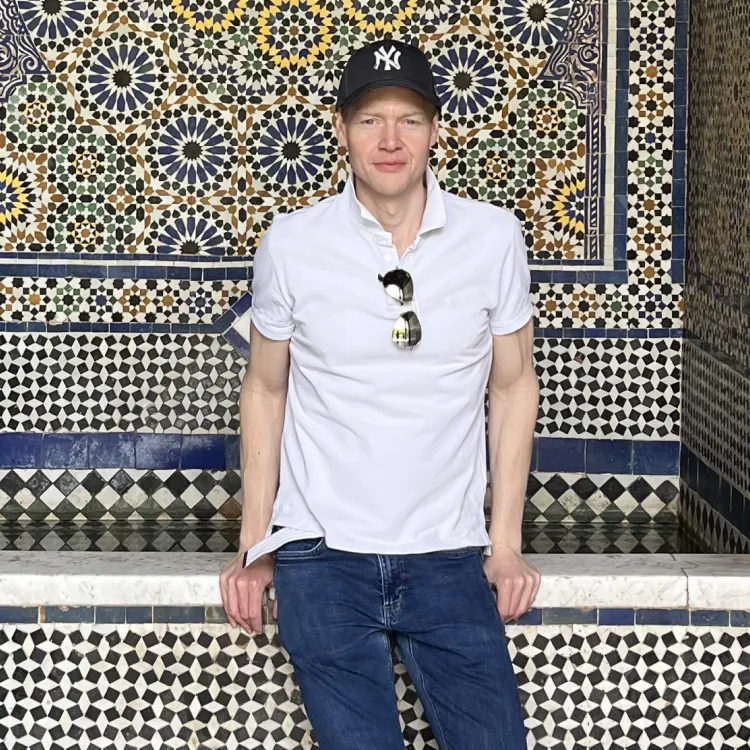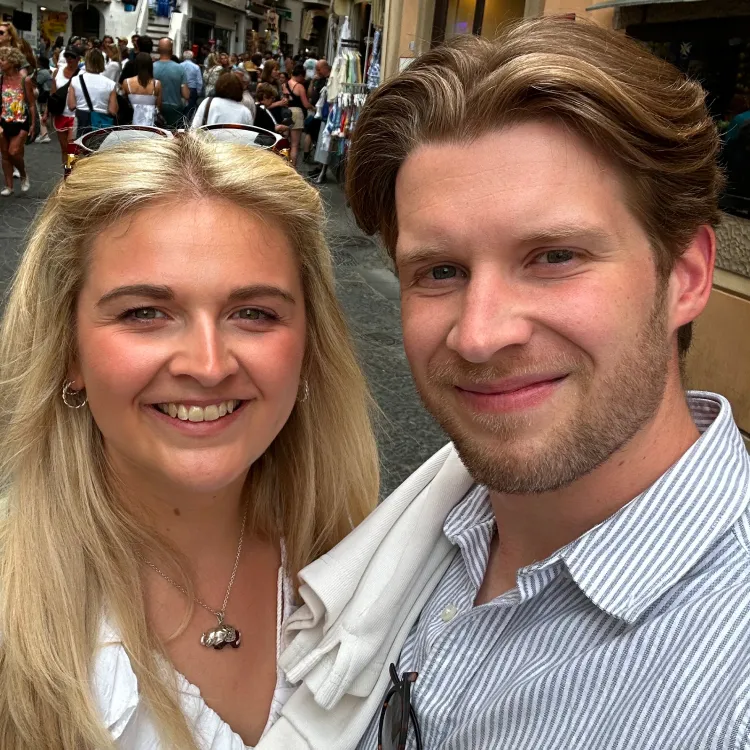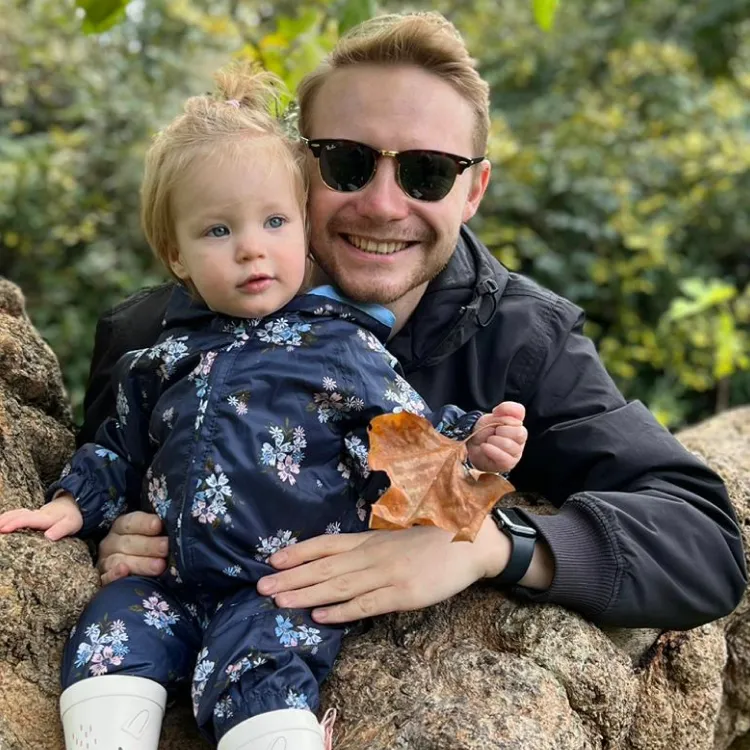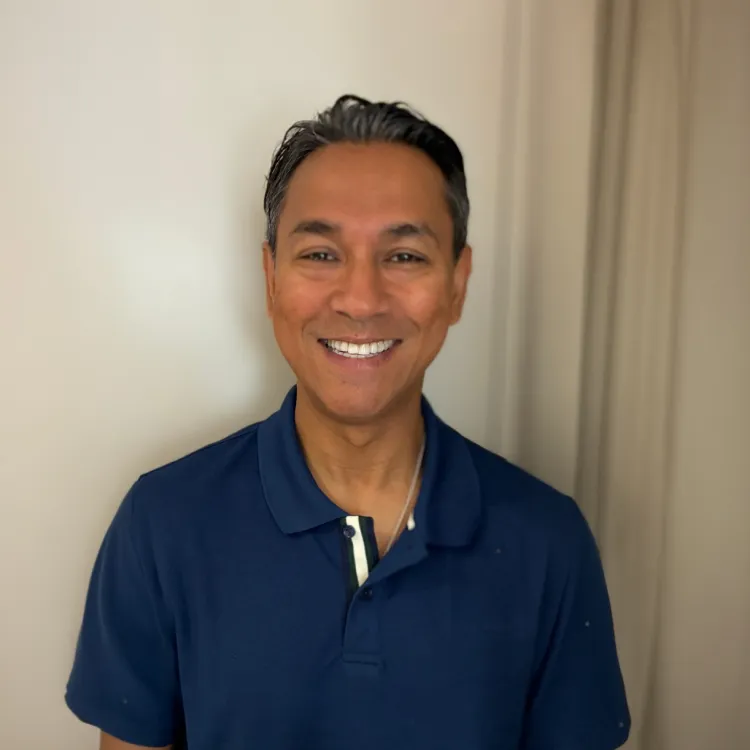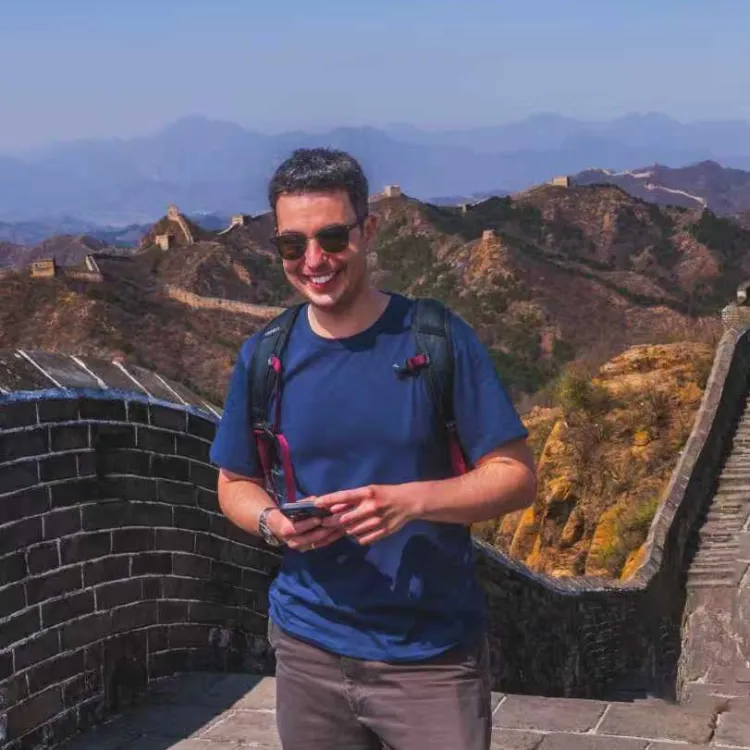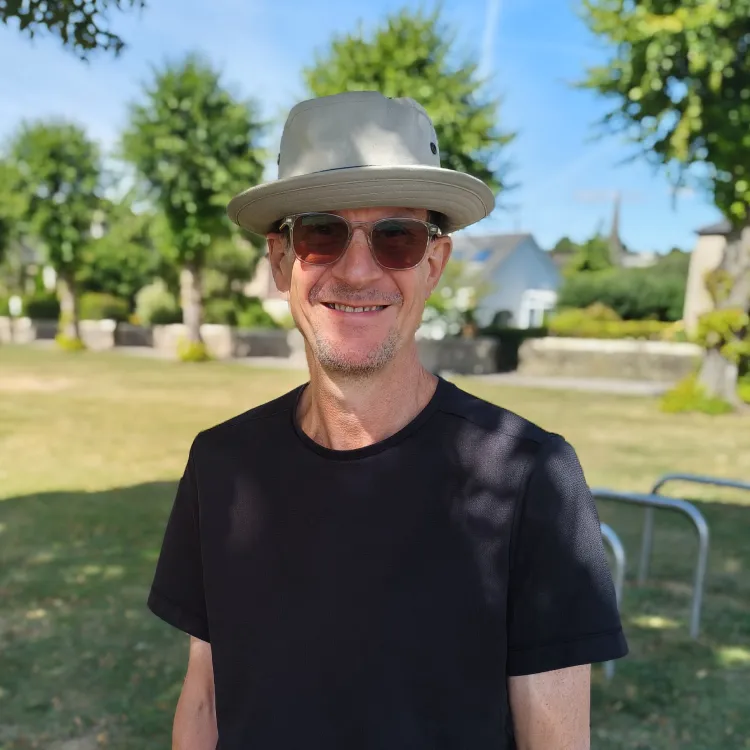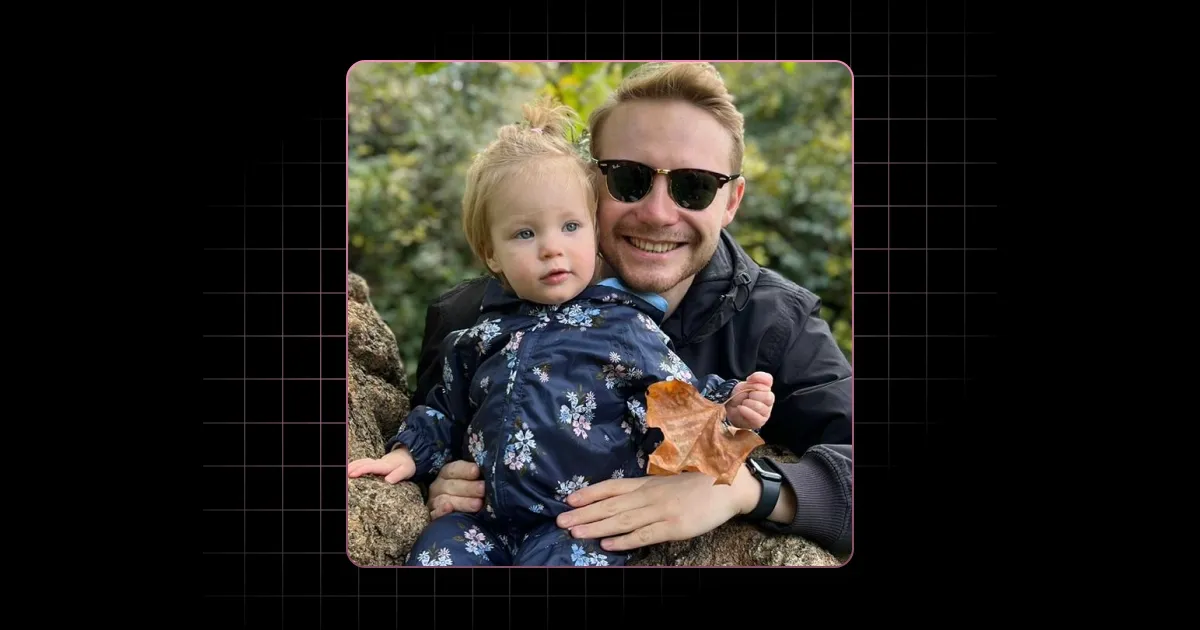
Jake works in product, where most of his day-to-day now involves AI, “building agents and doing fun, interesting things”, even if it can be exhausting. Outside work, life is equally full-on: he’s a dad to two young daughters, and he and his partner (who also works in product at the same company) run a finely tuned, hybrid-working family routine that’s “non stop, basically, from start to finish”.
Cast your mind back to before you started investing. What fears or hesitations did you have?
A lot of my background is working class, and the only focus is property: get on the ladder, save a deposit, get a mortgage, and that’s how you build wealth. Investing just wasn’t part of the conversation. Even though I studied business and finance, no one ever said anything about investing, not once. So my perception was basically: you have to be rich to do it.
How did you first come across Freetrade?
I was interested in fintech through work. Before that, the most ‘accessible’ platform I’d seen had flat dealing fees which felt like a big barrier when I didn’t really know what I was doing. With Freetrade, it felt like the right time: low cost, nice branding, and, subconsciously, a low barrier to entry. It let me get my foot into investing without feeling like I was committing to something intimidating.
What did Freetrade enable you to do that you weren’t doing before?
Simply, it got me investing. At first I didn’t even fully understand the concept, and I was still sort of ‘trying things and seeing what stuck’. Then I paused for a couple of years, learned more, and came back to it. But the key thing Freetrade did was ‘crack the nut’, it got me through the door. I’m someone who learns in practice rather than theory, and the best way to learn is to make mistakes early on. Freetrade made that first step feel doable.
What is it about the app experience that matters to you?
Simplicity. I didn’t want candlestick charts and loads of overwhelming, over-engineered functionality. I want something that’s accessible and consistent, so investing can tick over in the background, regardless of what’s happening in the rest of life.
How has investing, and using Freetrade, changed how you feel about money?
It’s changed things dramatically. Investing made me more financially literate in a practical way: I knew what inflation and interest rates were, but I hadn’t applied them to my own life: the idea that your money is being eroded if it’s just sitting there. Once you start learning, you start thinking in real terms, and you notice how much jargon can keep people out. Emotionally, it flipped from ‘this is a hobby for rich people’ to ‘this is for everyone’. More importantly, it started to feel like a requirement. The world’s getting more expensive, and it’s less about ‘do you want to be rich?’ and more ‘do you want to not be poor?’ That realisation is sobering but also empowering, because it gives you something you can do.
What’s the goal, what are you really investing for?
Financial freedom, but not in a glossy, unrealistic way. I don’t think anyone can have a neat 10-year plan anymore; the world’s too uncertain. For me, every bit of money I can gain ahead of inflation feels like buying back a little freedom and control for my family. It’s about having money aside so I can pivot when I need to, in a world that’s going to have huge opportunities and huge volatility. Early retirement isn’t a fixed goal, it’s more a dream, but the point is to work towards options.
The people featured in these interviews are actual Freetrade customers and were remunerated for their time. The value of your investments can go down as well as up and you may get back less than you invest. Always do your own research.