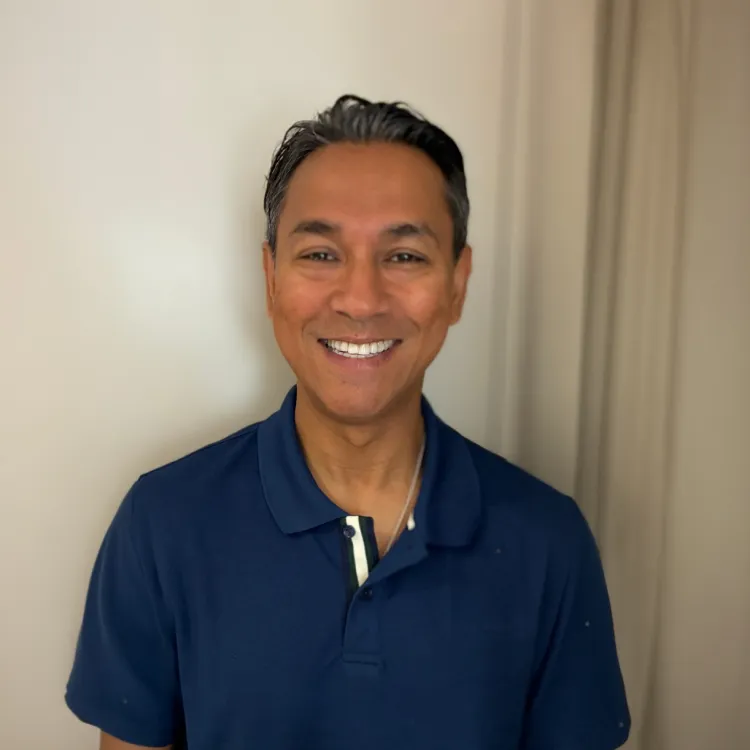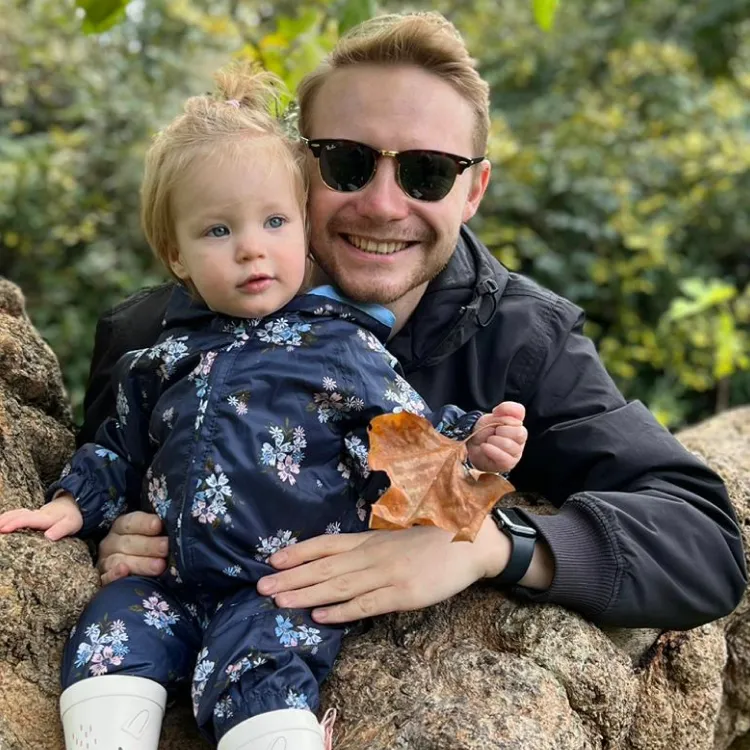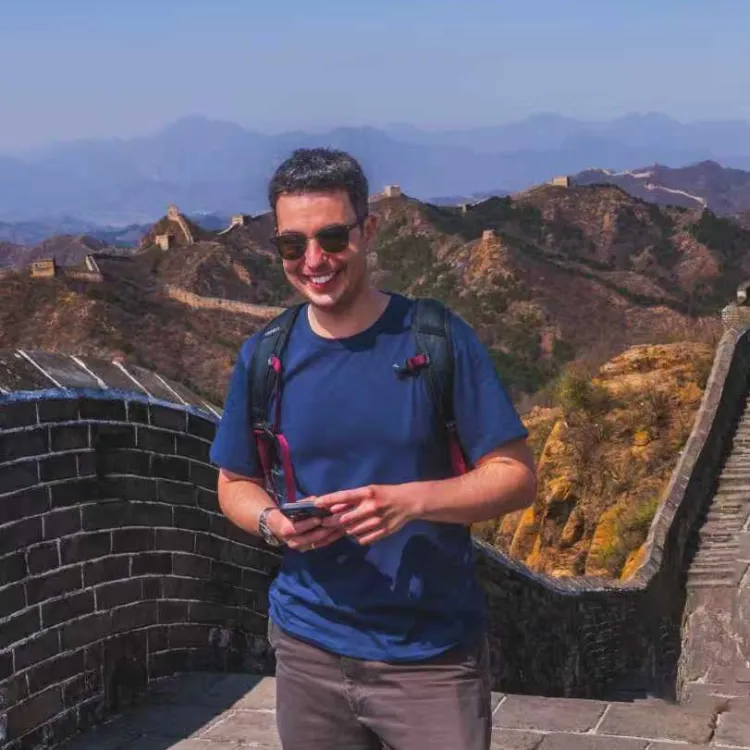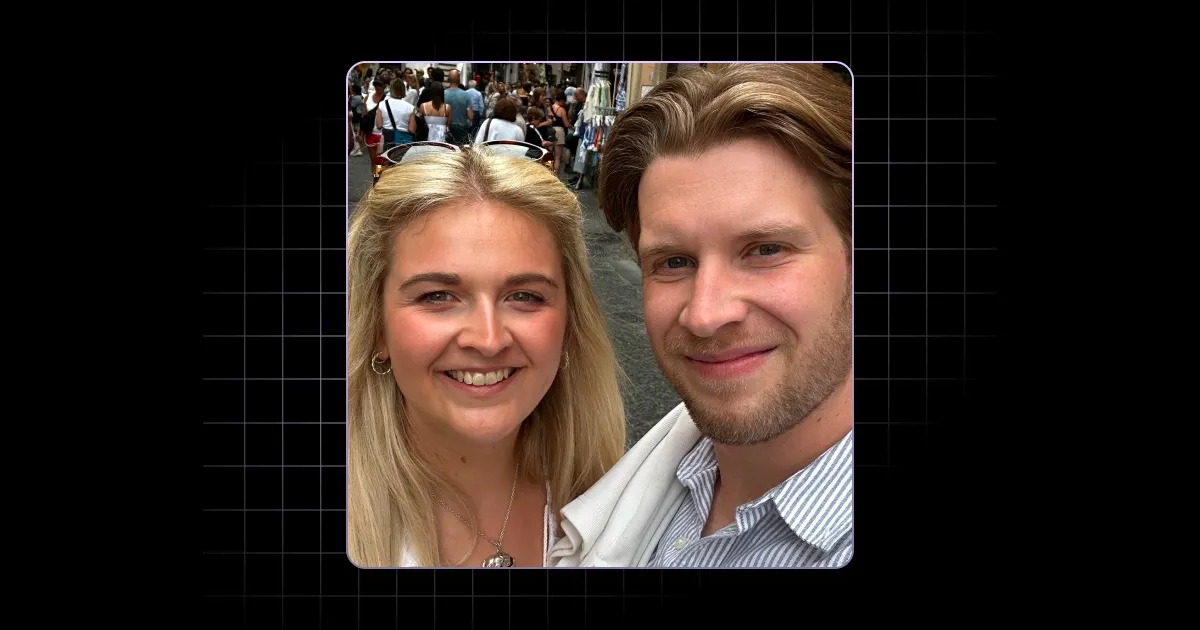
Olly grew up in Northamptonshire and studied chemistry at university before building a career in the chemical industry. These days he works in sales, based near Cambridge, and is often on the road. Outside work, he’s always kept active, from rugby and cross-country to running and cycling.
When you first started investing, what did it feel like?
Chaotic, if I’m honest. I didn’t really have a clue what I was doing – I thought I did – but the emotions take over. You’re watching prices constantly, trying to guess what happens next. If something drops, you panic and sell. If something rises, you get FOMO and pile in. It’s the classic ‘buy the top, sell the bottom’ behaviour, and it comes from not knowing how to value things or how to react when the market moves against you.
What helped you move from that emotional rollercoaster into something steadier?
Time, learning, and better inputs. At the beginning you just follow what other people are talking about. And usually if everyone’s talking about it, it’s already too late. Over time, you build a better framework: you find podcasts and books you trust, you get more disciplined, and you start accepting that investing is more about process than prediction.
What made you switch to Freetrade?
I started using Freetrade during Covid. I originally came for the ‘free’ angle – fees and friction matter a lot when you’re building things up – but what really kept me was how simple and quiet it feels. Another platform I used had a social feed, lots of noise, lots of trading energy. Freetrade is cleaner: basically buy and sell, less distraction, no leverage, none of the crazier stuff. It suited the mindset I was moving towards: long-term, lower stress, more ‘set it up and leave it’.
What does Freetrade let you do that supports that calmer approach?
Two big things: the Stocks and Shares ISA, and automation. Using monthly direct debits and setting allocations helps remove decision-making from the moment, which is where emotion creeps in. The less you ‘think’ in the heat of the moment, the better, because your emotional brain and logical brain pull in opposite directions. So it becomes: invest what you can, regularly, and let time do its thing.
Has that changed how you feel about money day-to-day?
Definitely. The app itself contributes to that, it feels less gamified. You’re not hit with some flashing, dramatic P&L the second you open it. You can quietly check what cash have I got, what do I want to allocate, where might I set an order. And then you leave it alone. It makes investing feel more like a tool for your life, rather than something that hijacks your attention.
And what are you ultimately investing for?
Freedom, really. Work being optional. I look at my parents retiring around 60, and even when you get there, health and life can limit what you can do. I’d like to get to a point by 50 where I choose what I do. And now we’ve got a baby due soon, that long-term mindset matters even more, giving them a financial head start. I’ve also got this dream of buying some land, having animals, and maybe one day using my experience to back young founders, almost like a small VC setup, helping people build. It’s about building a life with more options, both for me and for my family.
The people featured in these interviews are actual Freetrade customers and were remunerated for their time. The value of your investments can go down as well as up and you may get back less than you invest. Always do your own research.