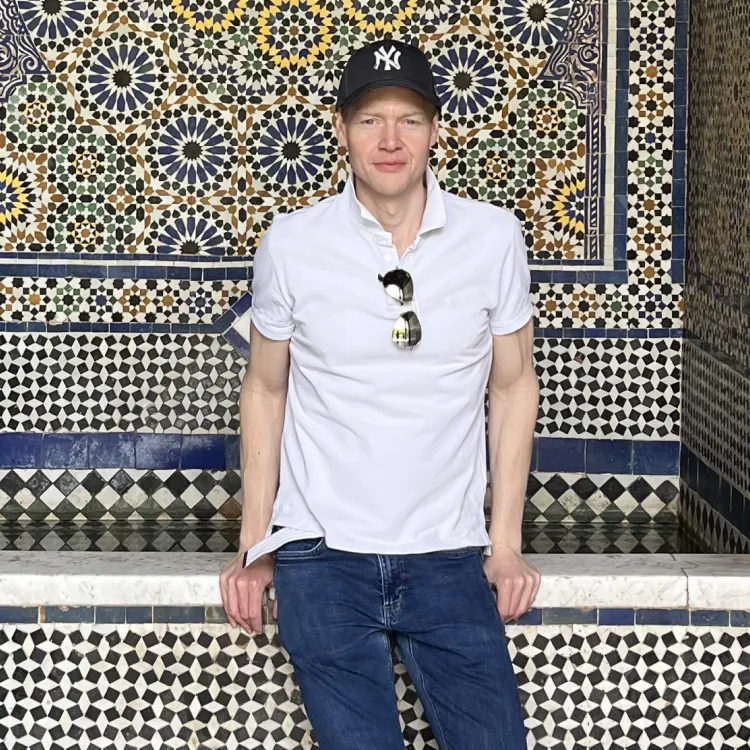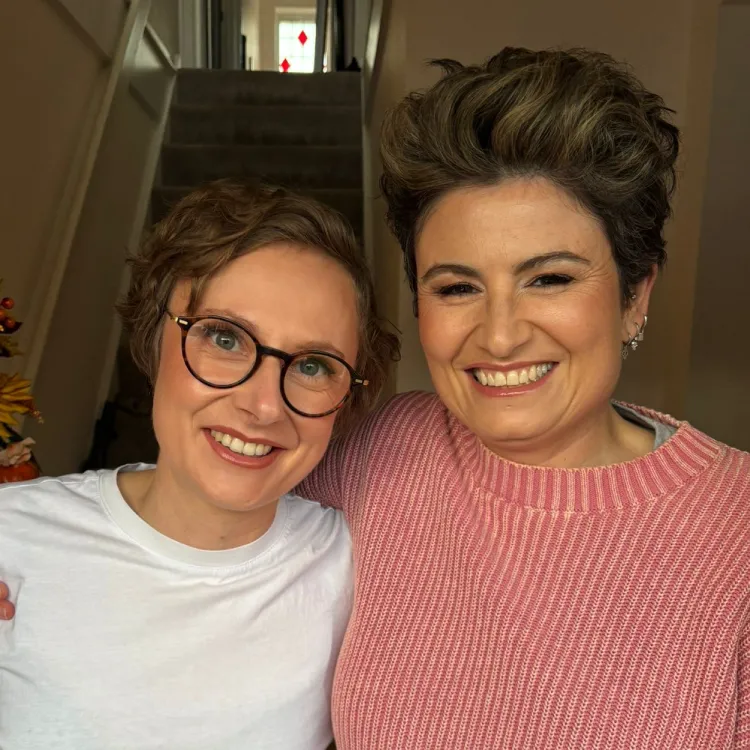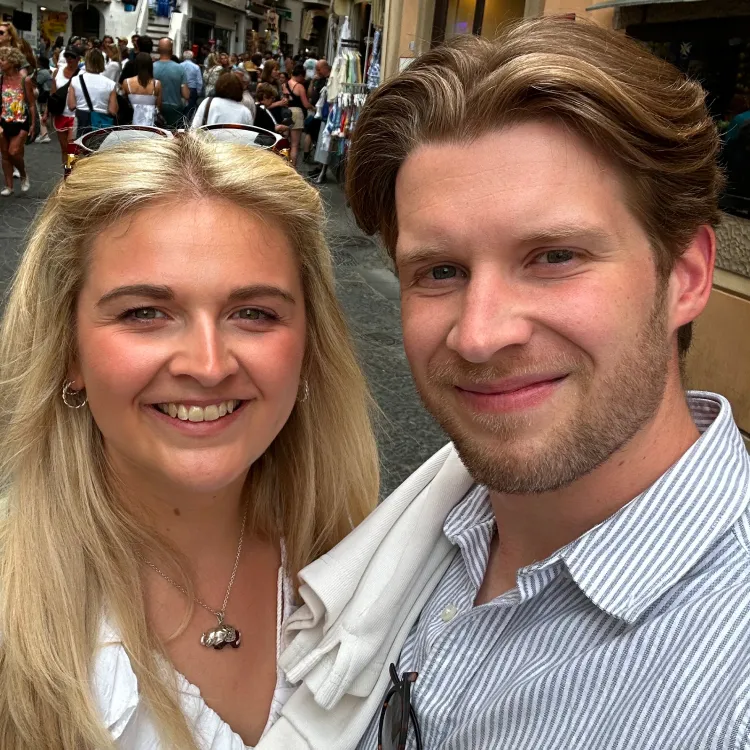
Ricardo lives in London and works in market research, specialising in pricing studies. With a background in economics and business administration, he was familiar with the theory of investing but remained cautious about putting his own money at risk. Rising inflation encouraged him to reconsider that approach. Today, he invests regularly through Freetrade and sees it as a way to protect the value of his money and build greater financial security.
Q: What first prompted you to start investing?
A: I had always been fairly conservative with money. I preferred to keep it in savings because I knew I was unlikely to lose anything. What changed was inflation. As prices started rising, I began talking to friends who encouraged me to become a little less risk averse. The idea was not to put everything into investments, but perhaps to move a portion of my savings into stocks and funds. I started reading about passive investing and platforms that made it easier to get started.
Q: Why did you choose Freetrade?
A: I wanted something digital, simple and easy to use. I found it difficult even to work out where to invest through my bank’s app, and I did not want a platform that was full of complicated information. I saw Freetrade advertised on the Tube and started researching it. At the time, it was very stripped back and straightforward. I could understand where to click and what I was doing without having to work through lots of noise. I tried opening an account with another platform, but it felt more complex and seemed to have a much greater focus on crypto and higher risk products. Freetrade felt more aligned with the kind of investing I wanted to do.
Q: How do you invest today?
A: I try to contribute around £500 a month, although sometimes it is more and sometimes it is less. I invest across a mixture of shares and government debt, and I think much more carefully now about diversification. I separate my money into different purposes, such as an emergency fund and money that I am investing for the future. I also like being able to see my exposure to different sectors in the app. It helps me understand how much I have invested in areas like technology or consumer goods and whether I am becoming too concentrated in one place.
Q: How has investing changed the way you think about money?
A: It has made me less risk averse and more aware of what is happening in the economy. I worry less about inflation because more of my money is invested, but I also pay much more attention to other trends that could affect my savings. I think about things like the growth of AI, which sectors might benefit and how much of my portfolio should be in stable dividend-paying companies compared with higher growth investments. It has made me more engaged with my money. I am not simply saving and leaving it alone. I am thinking about what different parts of it are meant to do.
Q: What have you learned from experiencing losses?
A: I have learned that you are never going to win every time. One of the shares I bought was delisted from the London Stock Exchange, and its value fell very quickly. I have also owned a company that dropped around 40%. I try not to panic and sell immediately. I remind myself that one poor investment is only one part of a much wider portfolio. I also take a long-term view. If I have done my research and do not need the money now, I am prepared to give an investment time rather than reacting to every short-term fall.
Q: What are you ultimately investing for?
A: I invest to protect the value of my money against inflation and to make it work harder over time. I am not aiming to retire at 40 or 50 because I do not mind working. It is more about growing the overall pot so that, in the future, I have fewer concerns about things like whether I will be able to afford rent or maintain my standard of living.
For me, investing is about creating financial security. I want to know that as I get older, I have built something that gives me more stability and fewer reasons to worry about money.
The people featured in these interviews are actual Freetrade customers and were remunerated for their time. The value of your investments can go down as well as up and you may get back less than you invest. Always do your own research.