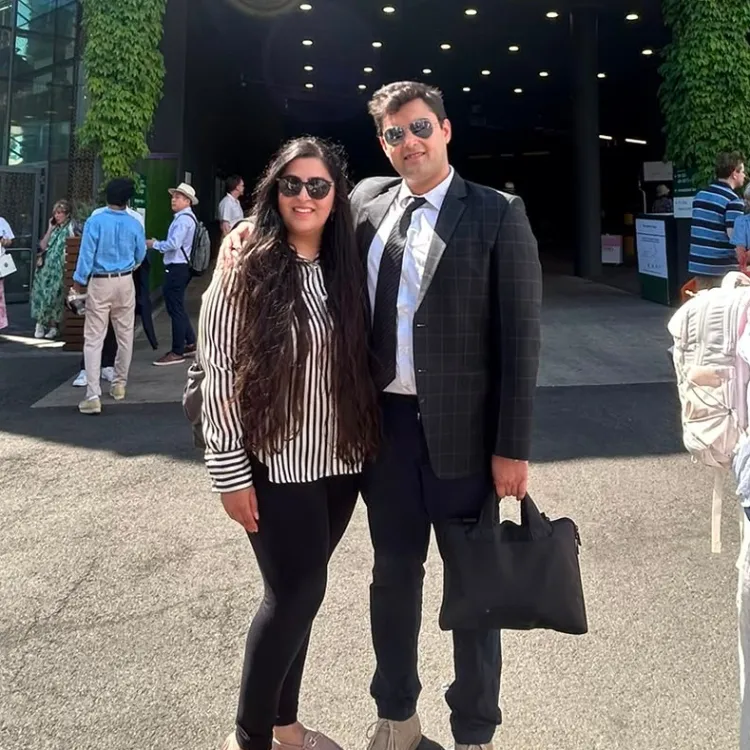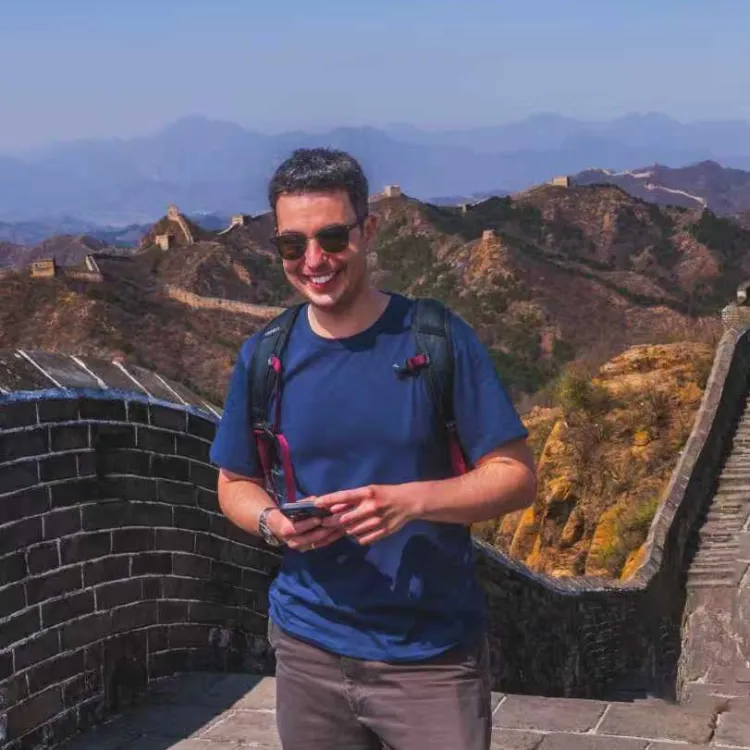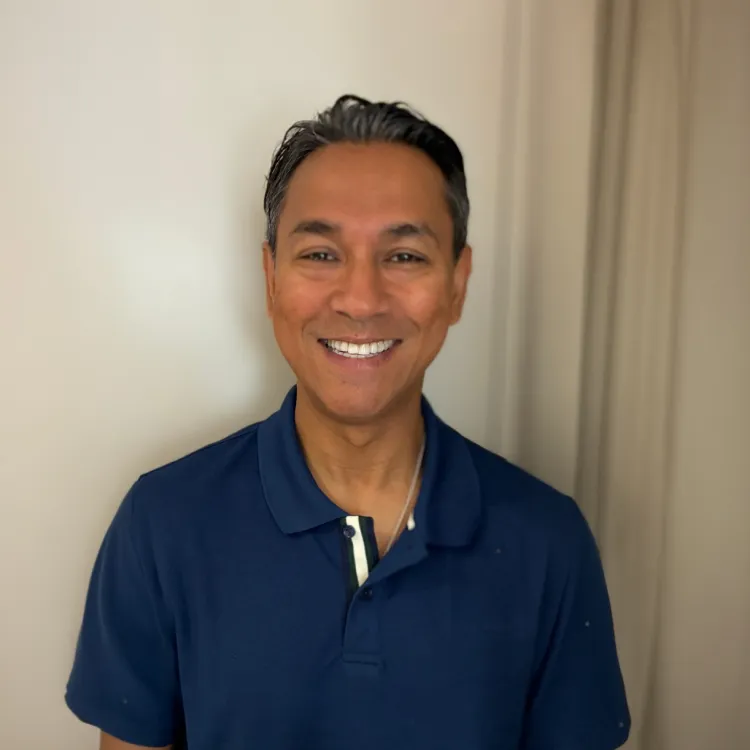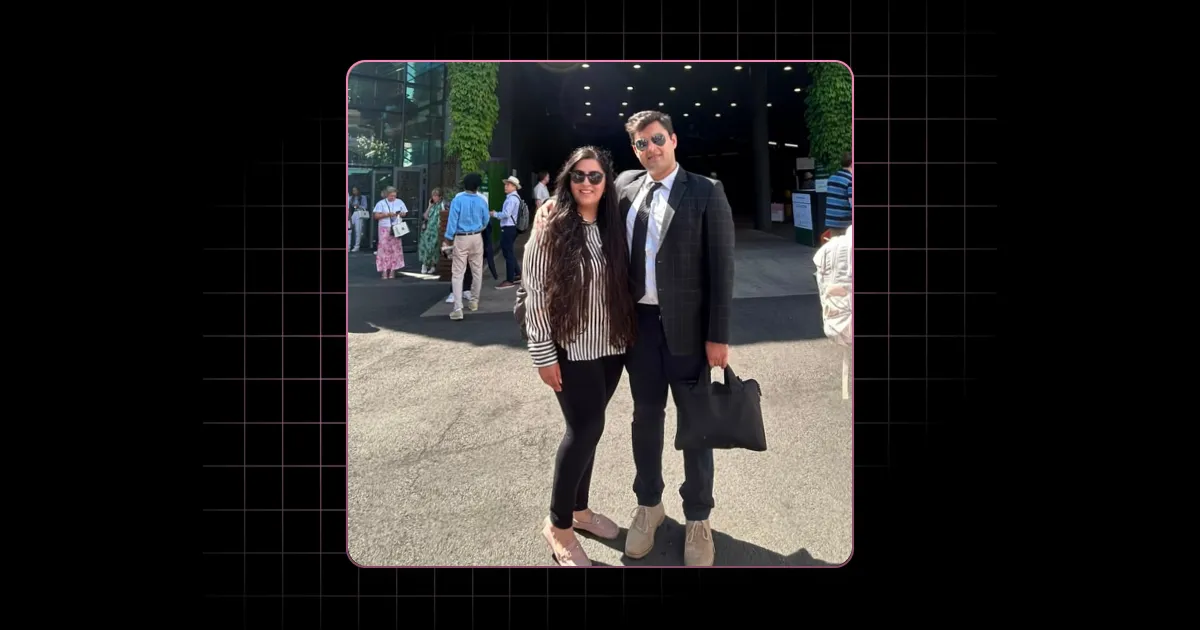
Shivam lives in Hounslow, London, and started investing at a young age after coming to the UK as an international student. He arrived with high-interest student debt from India and became determined to pay it off as quickly as possible, saving around 85% of his salary while working at Rolls-Royce and living in youth hostels. After clearing the debt, he continued saving and investing aggressively, eventually buying a flat in London and building substantial investment capital before turning 30. Today, he manages investments for himself and members of his family, with a strong focus on discipline, low costs, liquidity and long-term compounding.
Q: What first pushed you to start investing?
A: I came to the UK as an international student and had taken student loans from India at around 11% interest. If I did not pay them back, the consequences were serious, so once I got my first job at Rolls-Royce I became completely focused on getting debt free. I saved about 85% of my salary every month. For a period I was living in youth hostels and taking a suitcase to work because I wanted to keep my costs as low as possible. Within around 18 months to two years, I had paid off all my student debt. That experience pushed me to learn about investing. I had been reading Warren Buffett and Charlie Munger since I was 18 and tried to understand how they thought about buying undervalued businesses, managing risk, and letting capital compound over time.
Q: How did your financial situation change after becoming debt free?
A: Once the loan was cleared, I kept the same habits. I moved closer to London for another visa-sponsored job, continued saving around 80% of my salary and kept investing. By the time I was around 27 or 28, I was able to put an offer on a flat in London. Before I turned 30, I had achieved financial independence. The important thing for me was keeping my lifestyle costs low even as my income and investments grew. I did not want my spending to rise just because I could afford more.
Q: Why do you use Freetrade?
A: One of the reasons I came to Freetrade was cost. Other providers could charge significant commissions to buy and sell within an ISA, whereas Freetrade gave me a much lower-cost way to invest. My Freetrade ISA is also designed to be a relatively low-risk, liquid part of my overall portfolio. A large proportion is held in short-term UK Treasury bills, because I want to know that money is available if something unexpected happens in my life or the job market. I particularly value having access to the 28-day UK Treasury bill inside the ISA. For me, that makes Freetrade useful not just for investing in shares, but for managing liquidity and risk as well.
Q: How do you think about risk and market movements?
A: I try to be completely indifferent to short-term movements in money. I do not think you should be extremely happy if your portfolio rises 20% or 30% in a year, and you should not be devastated if it falls by the same amount. The important thing is knowing what you own and understanding the value of the business. As an investor, you also have to be your own chief risk officer. I want to be in a position where I do not need the money I have invested. To me, that is wealth. Wealth is money you do not need today, so you can allow the assets you own to compound over time.
Q: How has your approach to money influenced your family?
A: My wife and I are very aligned financially. When we met, I had just finished paying off my student loan and was starting to build capital again. I encouraged her to take the same disciplined approach to saving. She now saves a large proportion of her salary and has built a substantial ISA portfolio, alongside her pension. For me, it is less about how money makes you feel and more about building good habits and following them consistently. Once you can see the results of that discipline, it becomes much easier to stay on the same path.
Q: What are you ultimately investing for?
A: I already feel that I live a very good life on the relatively small proportion of my salary that I spend. I do not have much of a consumer mindset. I think more in terms of needs than wants. My goal is to keep compounding the money over my lifetime and eventually give most of it away. I want to support one or two causes where I can understand exactly what the money is achieving, such as improving access to education. For me, the money ultimately came from society, so I think it should eventually go back to society. Investing gives me the opportunity to build that capital over a long period and then decide where it can have the greatest impact.
The people featured in these interviews are actual Freetrade customers and were remunerated for their time. The value of your investments can go down as well as up and you may get back less than you invest. Always do your own research.