Money isn’t wealth. Money measures wealth. It’s a social technology, a shared belief. For your labour, you are paid in ‘claim checks’ (currency) that you can exchange for someone else's labour or goods.
What changes is the value of the claim check. If the supply of money rises much faster than the pool of goods, services, and labour, each unit of currency can represent a smaller slice of what’s actually produced.
Over long periods, inflation tends to erode the purchasing power of cash and favour ownership of productive assets such as companies and property. That encourages capital to seek a return rather than sit idle. But during periods of sharply rising interest rates, cash can still outperform plenty of assets.
Purchasing power
Inflation is the broad, sustained rise in prices, which erodes the purchasing power of money. The UK government sets the Bank of England a 2% inflation target, intended to keep price growth low and stable. Rapid inflation may force the Bank to raise interest rates to cool demand.
A falling inflation rate doesn’t mean prices are going down. It means they are rising at a slower pace. If inflation drops from 10% to 2%, prices are still climbing, just less aggressively. Unless an economy enters actual deflation, price increases are locked in.
Deflation is a sustained decrease in the general price level of goods and services. While cheaper stuff sounds ideal, deflation is not a good thing. Consumers may delay purchases, expecting prices to fall further. This drop in consumption forces businesses to cut prices and reduce wages, triggering a downward economic spiral. See: Japan’s Lost Decades.
Freddonomics
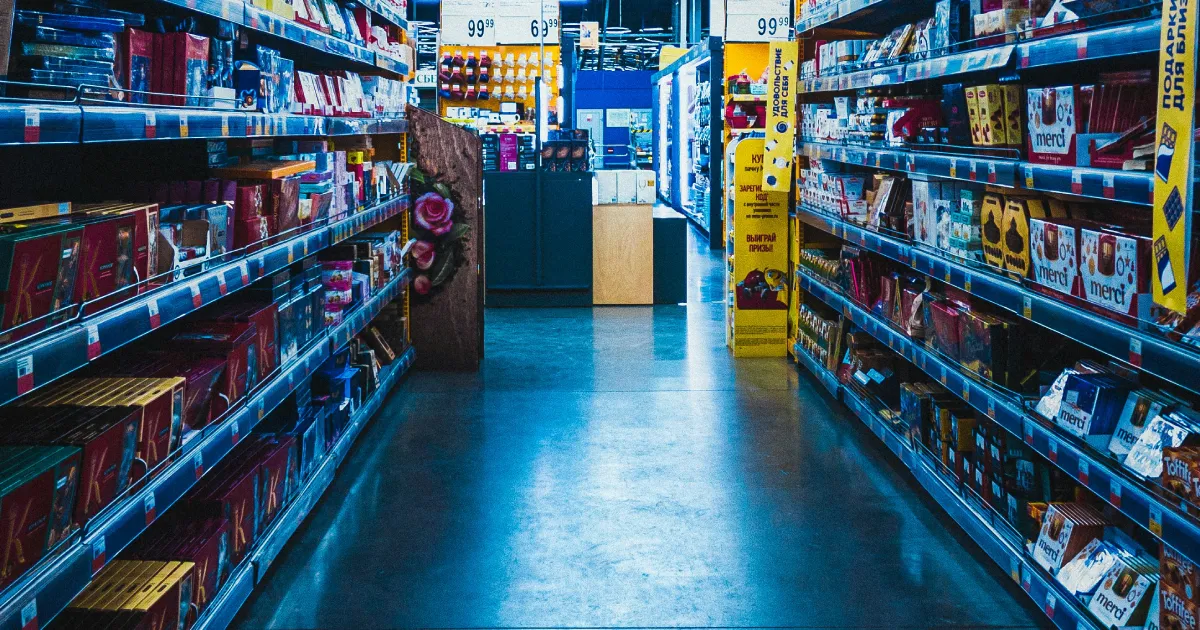
To any Brit under the age of 40, the Freddo is the yardstick for inflation. Across much of the 90s, a Freddo cost 10p. It rose to 15p in 2005, then 20p in 2010, and 25p by 2017. Today, a Freddo sets you back 35p to 40p in most supermarkets.
If Freddo prices had tracked UK inflation since the 10p era, a Freddo today should cost about 17p to 20p. This shows official inflation doesn't always match how consumers experience rising prices.
But inflation isn't the only reason Freddos got more expensive. Kraft’s £11.5bn takeover of Cadbury in 2010 was followed by a greater focus on pricing and margins under the company that later became Mondelēz International.
A pint of comparison
In its global price reports, Deutsche Bank tracks the cost of a night out using the Oasis Index. It measures purchasing power by the price of five pints of beer and two packets of cigarettes. The index shows how taxes and local costs change the value of money, with London costing four times more than in Manila or New Delhi. Melbourne is the most expensive place to paint the town red.
Unlike the Freddo, which tracks domestic price rises over time, the Big Mac Index, created by The Economist in 1986, measures Purchasing Power Parity (PPP). This is the theory that exchange rates should level out so that a product costs the same in different countries. Comparing the cost of a Big Mac in dozens of nations shows whether exchange rates make a currency overvalued or undervalued against the US dollar.
The human premium
Some things have become way cheaper, while other things have become super expensive. This is the Chart of the Century. One explanation is Baumol's cost disease. This theory describes how costs rise in labour-heavy, low-productivity sectors like healthcare, education, and the arts. These fields require humans and cannot be automated so their costs increase to retain those tempted by good wages in productive manufacturing or tech sectors.
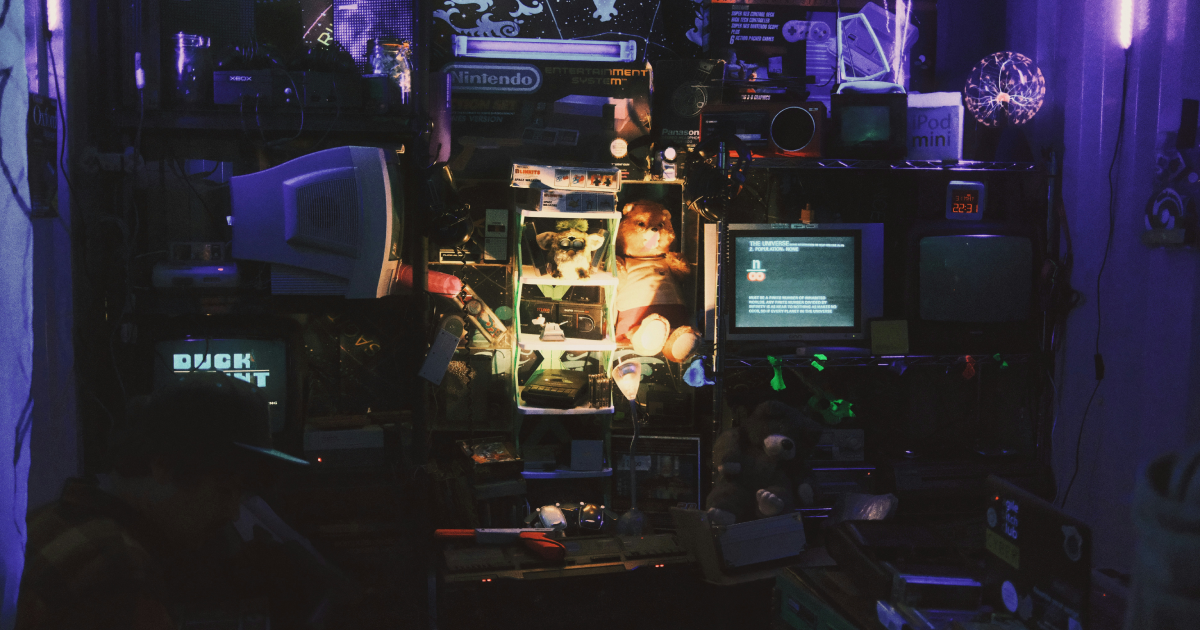
Televisions, toys, software, smartphones, and clothing are cheaper than ever. Today, you can buy a 50-inch 4K smart TV for under £200. In the 90s, a cathode-ray TV of that size would have cost the equivalent of a month’s wage. On the other hand, childcare, housing, healthcare, higher education, and dining out, have become more expensive.
Sticker shock
Shrinkflation is when a manufacturer reduces the physical size, volume, or weight of a product while keeping its retail price flat. It is an exercise in behavioral economics. Shoppers are sensitive to sticker shock, but rarely read the fine print.
Shrinkflation is profitable. If a manufacturer reduces a product’s weight by 15% while keeping the shelf price flat, the price paid by the consumer has risen by 17.6%. Over time, this compounding is massive. A product downsized three times, say 10%, then 8%, then 7%, ends up at 76.4% of its original volume, while the consumer continues to pay the baseline price.
Shrinkflation reveals a company with weak pricing power, one that knows it cannot raise sticker prices without losing its customers, forcing it to hide the hike in the packaging.
Quality squeeze
Where shrinkflation alters volume, with skimpflation the business continues to charge the same price but skimps on the inputs to save money.
Think hotels eliminating daily housekeeping unless requested, airlines cutting cabin crew, and restaurants shifting to QR-code ordering. In manufacturing, it means using cheaper ingredients, such as substituting cocoa butter with palm oil in confectionery. Because these things are subjective, skimpflation is difficult to capture in Consumer Price Index (CPI) metrics.
What goes up stays up
Greedflation occurs in consolidated markets where a small number of firms possess significant market power. Greedflation is what economists call asymmetric price adjustment, or the rockets and feathers effect. When input costs spike, retail prices shoot up. But when those costs fall, retail prices drift down like a feather.
A 2024 report by Goldman Sachs noted corporate profit margins remained elevated even as input costs declined by 3% over the prior year. Pricing power is one of the reasons investors prize certain businesses. Companies able to raise prices without losing customers can protect their margins when costs rise. Once consumers accept a higher price, companies are reluctant to lower it. They’d much rather pocket the difference.
This asymmetric pricing is proof of genuine pricing power. These consolidated firms do not need to hide behind smaller packaging. They have enough market control to openly charge more and defend their margins. Let the gouging begin!
Revenge spending
Driven by a cultural shift toward prioritising experiences over things, dubbed revenge spending, demand for live events and travel has remained inelastic. The result is funflation.
In the late 90s, the average ticket price for a major UK arena concert was £22.58. Adjusted for standard inflation, that should be around £37 today. Instead, average arena tickets clear £100 to £140 for major tours.
The 2024/2025 Oasis reunion tour saw the use of dynamic pricing which meant standard tickets jump from £150 to more than £350. The pushback led to an investigation by the European Commission and the UK government.
Your money’s worth
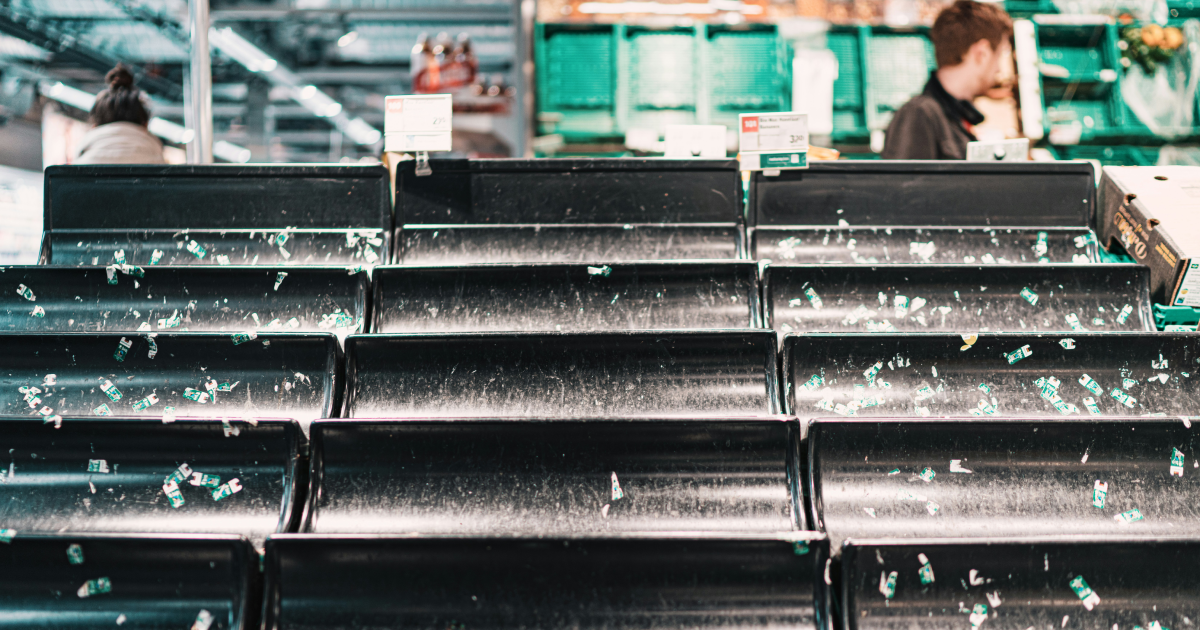
The human brain doesn’t think in CPI percentages. We think in Freddos, the price of a pint, or the cost of a ticket. We notice that suspicious pocket of air at the top of a bag of crisps. You aren't just paying more. Your time and labour are buying less.
Inflation is the benchmark every investment has to beat. Preserving purchasing power is the whole point of investing in the first place. Which is handy, because whether it’s shrinkflation, greedflation, or plain old inflation, it all boils down to the same thing: the cost of being alive is getting more expensive, one nibble at a time.
The value of your investments can go down as well as up and you may get back less than you invest.
Freetrade does not give investment advice and you are responsible for making your own investment decisions. If you are unsure about what is right for you, you should seek professional advice.
.png)


.avif)