.webp)
Shoppers and spenders are in our earnings spotlight this week, as a slew of big retail names release their latest quarterly updates.
In Walmart, Target, Home Depot, and Klarna, we’ve got four very different windows into the health of the US consumer. While Walmart and Target will offer insights into everyday consumer spending, Home Depot’s results should tell us if Americans feel up to spending on big-ticket home improvements. Meanwhile, will Klarna’s short-term lending offering keep delivering growth as stretched consumers opt to pay later?
Note: All estimates are based on data provided by Refinitiv.
Klarna - GNPL
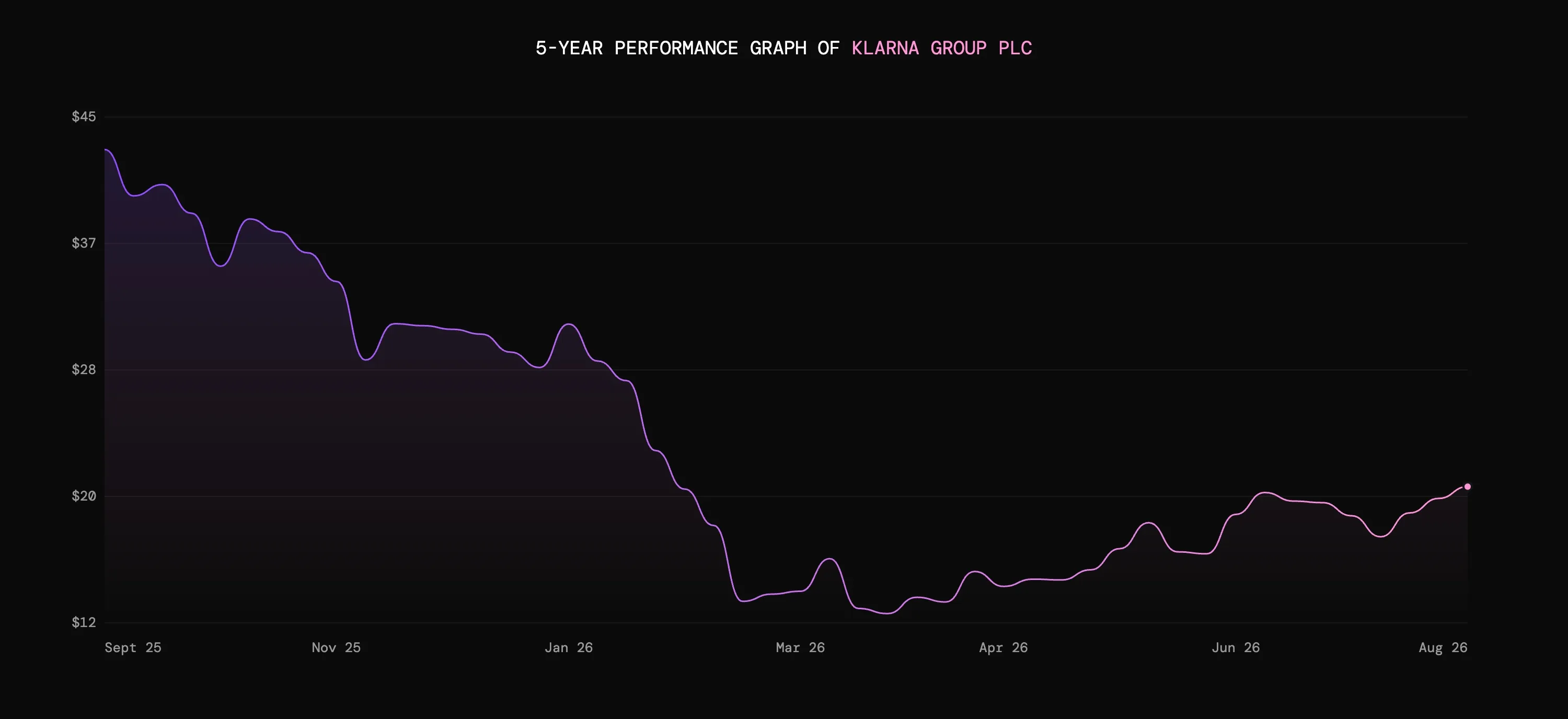
Earnings release: Tuesday 18 August 2026, before market open
Revenue estimate: $993.4m
EPS estimate: -$0.04
Considering the burliness of the other companies in focus, we’re getting things started with a relative minnow.
Being so small, and not being an actual retailer, Klarna might be the odd fish in the lineup, but it’s a giant of Buy Now, Pay Later (BNPL). BNPL companies allow consumers to make big-ticket purchases for little to no upfront cost, before paying a series of instalments.
You want a big telly, but you don’t have the cash right now? Enter Klarna. This means the business is basically a short-term lender.
Perhaps the key metric is gross merchandise volume (GMV), which covers the total monetary value of goods and services sold through Klarna. This hit $33.7bn in Q1, up by a third year-on-year (YoY). Meanwhile, active consumers increased by 21%, and merchants leapt by a massive 49%.
In other words, more consumers are using Klarna, more sellers allow access to the service, and the value of purchases with Klarna is on the up.
This equated to a big jump in revenue, up by 44% YoY in Q1 and topping $1.0bn for the first time. Clearly, growth has been impressive, but investors will want to see this maintained in Q2.
Klarna might be a Swedish company, but its growth story is happening Stateside. US GMV jumped 39% in Q1, outpacing the 31% growth recorded elsewhere.
With all this talk of growth, there remain question marks over the company’s ability to actually make money.
Things are moving in the right direction, and Klarna has guided for adjusted operating profits of between $30m and $50m in Q2. Expanding can carry a cost, and the business’s efforts to maintain its eye-catching growth figures may require the kind of heavy spending that puts burgeoning profitability under pressure.
Something else to consider is that rapid lending growth can be a risky thing to pursue.
There’s no point procuring those juicy headline numbers if the consumers you lend to are unable to keep up with repayments, as this could seriously eat into company profitability. For that reason, keep an eye on provision for credit losses. This was steady at 0.55% of GMV in Q1, but any significant increase could startle the horses.
Beyond the numbers, Klarna’s morph from a BNPL pure-play into a digital bank is important to keep in mind. It can offer some banking services in the EU and UK, and in July the company submitted an application for a US banking license.
BNPL remains the company’s forte and primary source of revenue. However, commentary on uptake and development of banking products like consumer accounts, and how this can diversify the company’s revenue, could add some zest to an update that looks otherwise reliant on continued hefty growth.
Klarna might have ambitions of becoming a fully fledged digital bank, but for now its investment case still rests on balancing transaction and user growth against the impact of credit losses and expansion-based spending.
Otherwise, perhaps it's a case of GNPL - grow now, profit later.
Home Depot - DIY
.webp)
Earnings release: Tuesday 18 August 2026, before market open
Revenue estimate: $47.3bn
EPS estimate: $4.73
While the other companies covered this week offer a gauge of everyday consumer spending, Home Depot gives us something a bit different. It offers a window into whether American consumers are willing to spend big on home renovation projects
This means the state of the US housing market is key for Home Depot, as buying and selling tend to be inflexion points for a spot of home improvement. If you’ve just moved in, it stands to reason you want your new kitchen, bathroom, bedroom, etc renovated to your taste. If you want to sell, it might be best to patch up those holes in the drywall and otherwise spruce things up to maximise your possible sale price.
Unfortunately, the backdrop here looks challenging. Existing-home sales fell 1.7% month-on-month in July. Mortgage rates remain relatively elevated, with the average 30-year fixed rate deal at 6.67% as of 13 August 2026, which goes some way to explaining why turnover looks so sluggish.
This doesn’t serve as a great backdrop for Home Depot’s sales, which have already faced pressure as comparable sales edged just 0.6% higher YoY in Q1. It looks like fewer customers are buying too, as transactions actually fell by 1.3% YoY. However, customers' average spend did increase by 2.2%.
The rather subdued growth is actually in line with full-year guidance for comp sales, which outlined flat to 2% growth, but an uptick in organic growth may buoy Home Depot’s investment case.
Speaking of guidance, the business has really been lagging on margins. Q1 adjusted operating margin slid from 13.2% to 12.3%, below FY targets of between 12.8% and 13.0%. With sales growth sluggish, this hit to margin led to a YoY decline in net earnings.
Home Depot’s share price has dipped so far in 2026, and while Q1 was underwhelming, a more positive set of results could really turn things around. The business sees spring as its biggest season, as brighter weather means homeowners and contractors can get to work on outdoor projects as well as indoor.
But will the sun coming out have actually encouraged American consumers to get their toolboxes out and head down to Home Depot, or are they holding off on their next big home improvements?
Target - Fighting back
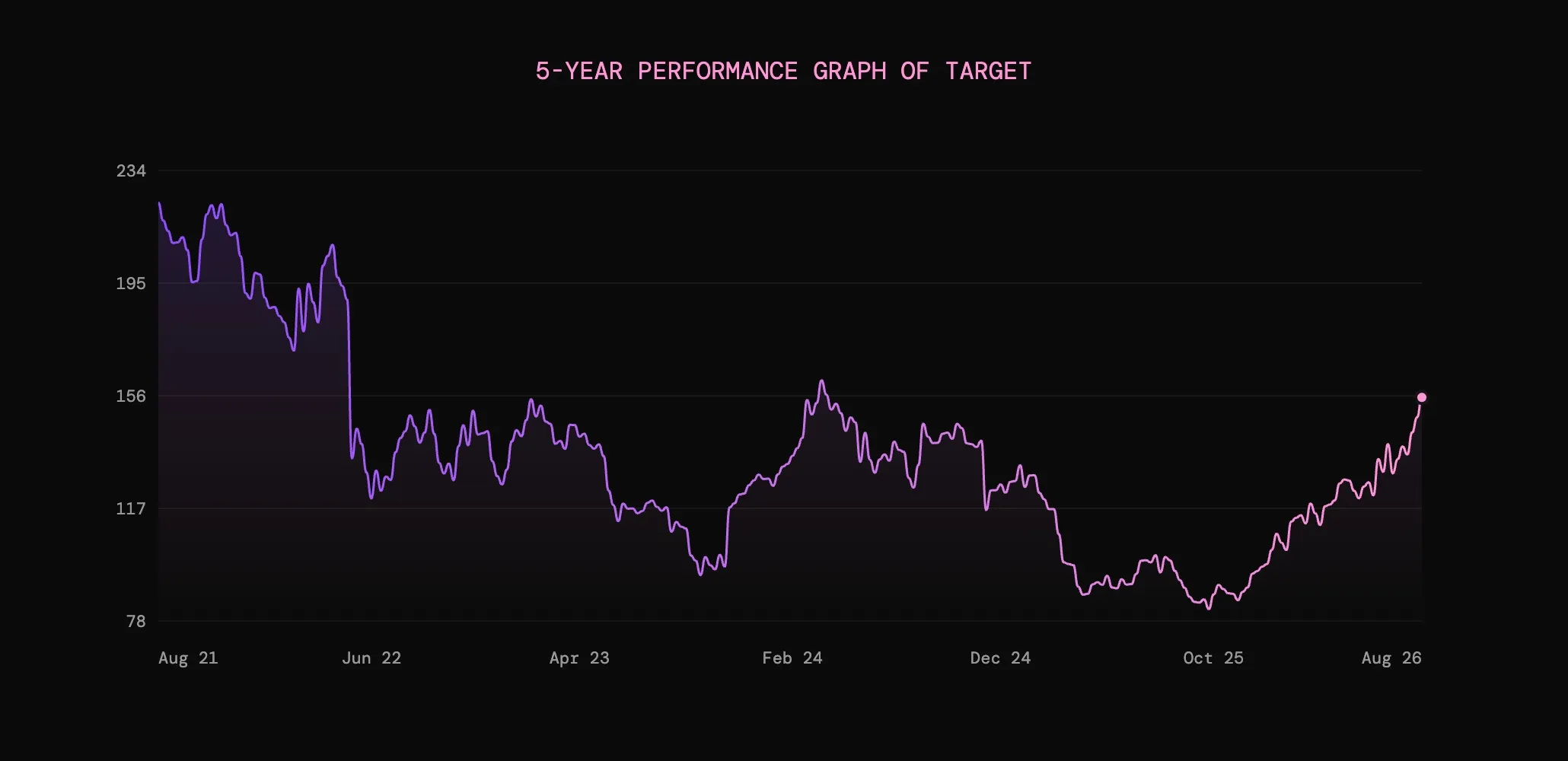
Earnings release: Wednesday 19 August 2026, before market open
Revenue estimate: $26.1bn
EPS estimate: $2.31
Next, we have Target, a US retail giant which aims to offer affordable groceries and general merchandise. That’s clothes, electronics, furniture, and more, all alongside your weekly food shop.
In its current state, the business is in recovery following a series of setbacks spanning back to 2022. The company’s share price has not yet recovered from a near-25% one-day decline when its Q1 2022 results showed a plunge in profitability as freight costs and excess inventory weighed.
The share price has not yet regained its perch, but Q1 offered some encouraging signs to investors as comparable sales rose 5.6% and traffic increased by 4.4%.
Digital comparable sales were particularly hot, climbing by 8.9% in the period, as a 27% uplift in same-day-delivery sales suggested Target’s efforts to improve its omnichannel offering have gained traction with consumers hunting for convenience.
This might look impressive, but Target is recovering from a pretty poor time in FY2025, when net sales declined by 1.7%. On its Q1 earnings call, Target CEO Michael Fiddelke noted that, though Q1 net sales were also 3.7% higher than in the comparable period in 2024, they were still “well below the level of two-year growth we aspire to deliver over time”.
Given that urgency, and the increasingly tough comparatives the business faces in Q2, investors should watch for signs of the business leaning more heavily on promotions to support growth. This is why a close look at margins will offer insight into the quality of Target’s recovery, should we continue to see those headline sales numbers rise.
In addition, guidance could prove decisive. After a strong Q1, Target’s share price started to climb after the business hiked FY sales expectations and said FY earnings should come in towards the top end of its existing range.
So, what it really boils down to is whether Target can build on its impressive performance in Q1 and add some meat to its turnaround story. This won’t be easy, with headwinds in the form of tougher comparatives and further pressure on consumers, but it would clearly show Target isn’t resting on the laurels of simply improving on a weak base.
Walmart - Hyperstore
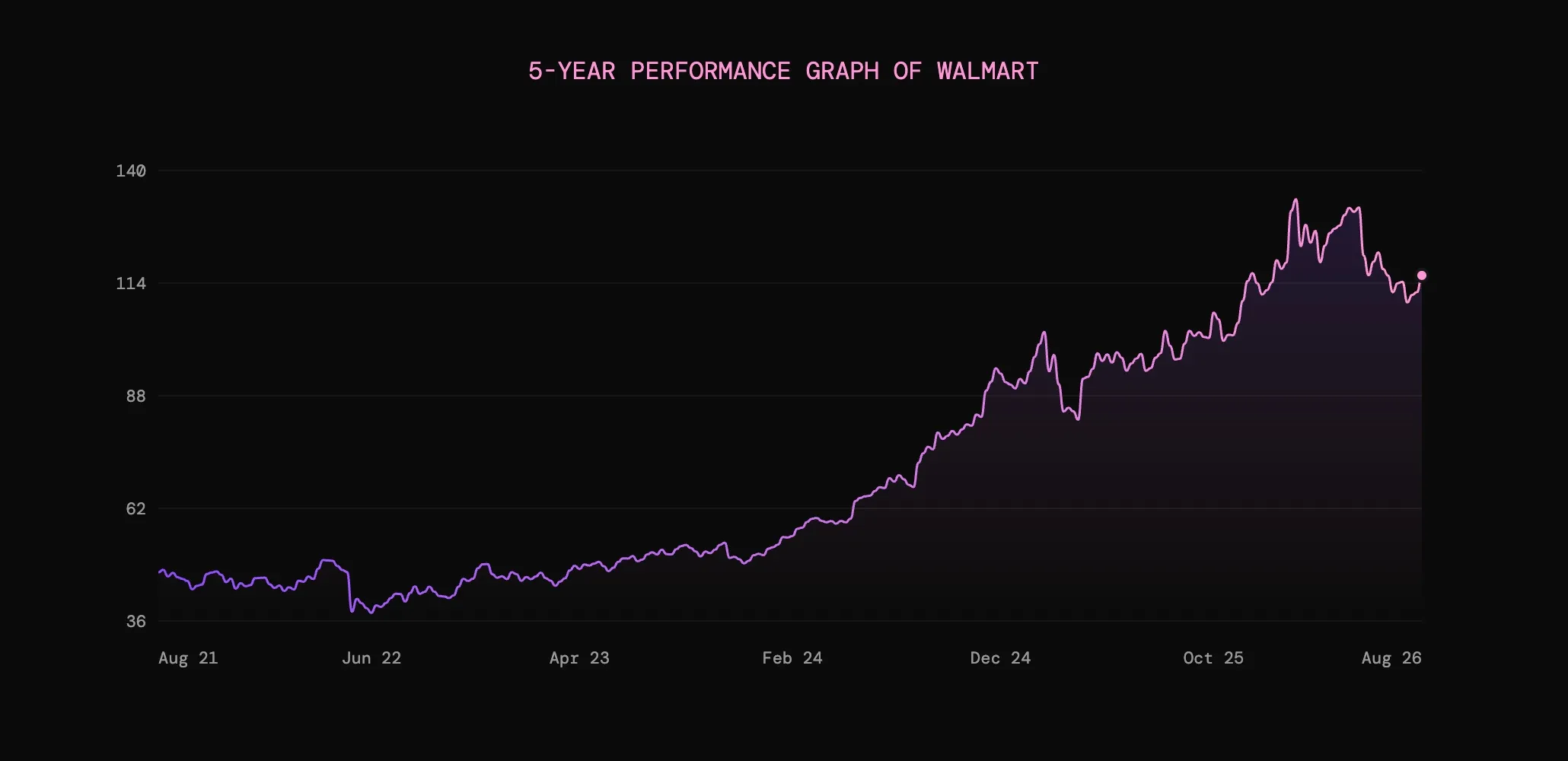
Earnings release: Thursday 20 August 2026, before market open
Revenue estimate: $186.9bn
EPS estimate: $0.74
Finally, we’re checking in with mega chain Walmart, whose massive string of hypermarkets makes it the planet’s biggest player in retail sales. Seriously, Walmart is beyond huge. Only Amazon has surpassed the big beast of brick-and-mortar retail in terms of annual revenue, sneaking past earlier this year with $716.9bn of sales versus Walmart’s $713.2bn.
But let’s not get tied down in a revenue-measuring contest. After all, earnings are not just about scale.
Walmart might be best-known for its large stores, and that remains its core, but the company’s makeup is becoming increasingly omnichannel.
Indeed, e-commerce has been a revenue growth engine, with sales up by 26% back in Q1.
Crucially, the e-commerce opportunity also encompasses earnings streams like ads on Walmart’s online platforms, third-party seller fees from its marketplace offering, and membership fees from Walmart+. These are particularly high-margin, so continued growth here should help the business’s profitability.
That’s key, as margins will be a major focus. Last time out, Walmart highlighted significant distribution cost pressures, with higher fuel costs alone knocking approximately 250 basis points off operating income growth.
Hence why continued expansion of those high-margin channels looks particularly important.
Finally, let’s not forget Walmart’s status as a bellwether for the American consumer. After all, the business claims that “over 90% of US households rely on Walmart”, so there are few better ways to gauge how our American cousins spend.
The figure to watch here is US comparable sales excluding fuel, which rose by 4.1% YoY in Q1 even as the company said its customers faced pressure from higher prices at the petrol pump. With oil prices misbehaving once again, the figure should make for interesting reading regardless of whether you hold Walmart in your portfolio or not.
For Q2, Walmart guided for net sales growth of between 4% and 5% in constant currency. A headline beat here would give investors confidence that Walmart is still taking share from rivals, but if expectations are missed, investors will have key questions to ask.
Are consumers cutting discretionary spending and focusing on value? Is Walmart’s e-commerce growth helping it build revenue even as households feel the pinch? Can higher-margin revenue streams mitigate the impact of seemingly ever-rising gas prices?
Come Thursday, we shall see.
Capital at risk. The value of your investments can go down as well as up and you may get back less than you invest.
Fluctuations in foreign exchange rates may affect investments denominated in currencies other than GBP and the amount you receive back.
Past performance is not a reliable indicator of future returns.
Freetrade does not give investment advice and you are responsible for making your own investment decisions. If you are unsure about what is right for you, you should seek professional advice.
.webp)
.webp)
.webp)